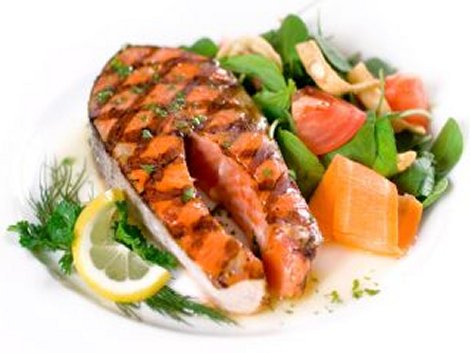
Notice how we are concerned more about how much weight we can lift for prolonged periods of time, sets and reps, on and off days, split training, drop sets, rest pause, pyramid sets and lest we forget that protein is one of the most important supplements we need to build muscle mass. Though every molecule of muscle is made from protein we eat, we never worry or give it a first thought. We have to worry about protein quality because it is very important to our goal of putting on as much permanent muscle mass as possible. So you must eat the right amount of protein the right way at the right time every day.
The best workout with teeth clenching effort will produce only some muscle and strength. The amount of protein you need for muscle building depends on the amount of muscle you naturally carry now. These amounts vary widely, depending on the individual body composition yet most recommendations do not come from a wide range of studies. Most figures are inaccurate for optimum muscle growth.
A precise guide to protein needs are derived from basic physiological needs. Most bodybuilders and sports enthusiasts use body weight as a criterion for how much protein they need when bodybuilders with the same body weight differ widely because of their muscle to body fat ratio. The protein you need is that which will maintain your lean weight and the extra amount required to grow new muscle. You need to know your muscle weight to find this amount. It is a myth that your lean body weight is a measure of your muscle only.
This is so not true! Your lean weight includes your bones, tendons, ligaments, skin, and all other organs. Athletes have the highest range of muscle to lean weight than the average person, if you don't know your lean weight, doing a body composition is a must. There are many systems out there to do this, these are a few of them:
Skinfold measurement
Body mass Index (BMI)
Waist to hip Ratio
Ponderal Index
Hydrostatic weight
(also known as Hydro densitometry or underwater weighing)
Near Infrared Interactance
Total Body Potassium (TBK)
Whole-Body Air-Displacement Plethysmography (BodPod)
Magnetic Resonance Imaging (MRI)
Total Body Electrical Conductivity (TOBEC)
Computed Tomography (CT)
Total Body Protein (TBP)
Just to name a few, your body replaces your lean body weight at various intervals. Depending on your body type we replace protein in our body every six months. Our muscle has the highest content of protein of our lean tissue mass. Your muscle also requires more protein than our other tissues for metabolism. Generally you will need as much as (1.40 g - 2.40 g) a lot of the replacement of protein comes from recycling amino acids.
So by multiplying 1.40 x 190 for that extra protein for metabolism the amount of protein you need to maintain lean muscle would be 266 grams per lean body weight. Even the couch potato needs more protein to keep his or her lean muscle mass from getting fat. Your body will deposit unused carbohydrates in muscle and liver cells, but there is no storage of protein, so for optimum muscle growth we have to eat the right amount of protein every day.
If you start missing this for just one week your body will start catabolizing your lean body mass to make up, if you eat the right amount of protein every day and train correctly you see new muscle gain on a regular basis.
It will take a lot of protein for your body to make new muscle than it takes for it to maintain the muscle that is already there. Most trainee doing weights can expect to gain between 10 - 20 lbs per year of lean muscle mass.
Diet and exercise are not the only cause that influences muscle gain, genetics also play a big role in your mass gains, how many years you have been training and your age also.
The genetic types are divided onto three types, Ectomorphs- these are thin hard gainers
Mesomorphs - these are muscular easy gainers
Endomorphs - these are fat easy gainers
Most men are ectomorphs mesomorphs mix, but can be mistaken for endomorphs because of the excess of body fat, and will only get a moderate muscle gain that is most of us.
266 grams of first class protein is needed per day for someone that is 190 lbs to get optimum muscle growth. You can get away with eating bad fats and carbs but they are only temporary energy supplies. Every time you eat bad protein it goes into your body to build bad structure, fat and sedentary bodies.
The only measure of protein is biological value (BV) which measures the amount of protein retained in the body per gram absorbed, so a score 150-200 has twice the (BV) as a score of 80 so if you want to excel, eat the high range of (BV) protein every day. Vegetable protein cannot be relied upon because it's (BV) is below the range.
You will have to eat a mountain of beans to get the same protein retention as a first class protein. No wonder gorillas forage so much. Our bodies do not digest them well, they ferment in our gut that cause odorous results. You can stop gas by using a product called Beano that has the sugar digestive enzyme alpha-galactosidase which work well for broccoli, wheat and other whole grains.
We are constantly told to eat a balanced meal to get our protein but meats do not have a very high (BVs) despite their use. In other words meats are not the muscle food we think they are.
Your best bet is Whey proteins which contain a lot of alanine and lots of the branched chain aminos leucine, isoleucine and valine which are used to make alanine and glutamine, so you can take supplementary branched chain aminos to provide your much need Alanine and Glutamine, branched chain supplements are anti-catabolic.
The best is whey protein which has a high (BV), di-peptide and tri-peptide bonds are keys to optimum protein metabolism and allows the body to retain twice the amount of protein Peptide protein formulas that preserve these bonds are those that use ion-exchange or Cross-Flow membrane extraction methods.
Ion-exchange whey has an increase in glutathione, a very important antioxidant, so if you want muscle, strength and a strong immune system then ion-exchange and cross-flow membrane whey protein is the best choice.
Good Whey protein brands that will give you bang for your buck are
Designer Protein (Next Nutrition)
Perfect Protein (Unipro)
Whey Fuel (Twinlabs)
Most bodybuilders make the mistake when using whey protein because they think that you do not need to use carbs when taking protein because excess carbs will turn into fat. After exercise the body needs protein and carbs to change it hormone balance. A mixed carbohydrate and protein drink has a greater long lasting insulin release which has the greatest increase in growth hormone and testosterone.
Protein and carbohydrates immediately after your workout reduces post exercise cortisol levels. High cortisol levels break down muscle mass protein and carb give your muscles glycogen to help keep cortisol levels to a minimum. This is the best anabolic way to go after a workout. You should take at least 40-50 g of protein after a workout mixed with carbs and essential fats within one hour of training to get maximum absorption.
Total amount of carbs depends on your total daily calories. For those who want to gain weight, if you are 160- 190 lbs your carb/protein/fat ratio should be anywhere between 40:30; 30 or 53:26:21 but you should look up you daily protein, carb and fat intake for your body weight to workout your meal plan, then it is easier to plan your whole day food intake.
Most of the amino in your muscles is made up of glutamine. It is used to transport to dispose of nitrogen waste. Alanine is another big component in your muscles. During exercise you lose more glutamine and alanine than your body can store. The ion-exchange and cross-flow membrane whey protein contains high levels of glutamine, alanine and branch chain amino acids. This is The reason they have superior (BV) than the other protein and they also spare muscle amino acids, inhibiting catabolism.
photo source here.
The best workout with teeth clenching effort will produce only some muscle and strength. The amount of protein you need for muscle building depends on the amount of muscle you naturally carry now. These amounts vary widely, depending on the individual body composition yet most recommendations do not come from a wide range of studies. Most figures are inaccurate for optimum muscle growth.
A precise guide to protein needs are derived from basic physiological needs. Most bodybuilders and sports enthusiasts use body weight as a criterion for how much protein they need when bodybuilders with the same body weight differ widely because of their muscle to body fat ratio. The protein you need is that which will maintain your lean weight and the extra amount required to grow new muscle. You need to know your muscle weight to find this amount. It is a myth that your lean body weight is a measure of your muscle only.
This is so not true! Your lean weight includes your bones, tendons, ligaments, skin, and all other organs. Athletes have the highest range of muscle to lean weight than the average person, if you don't know your lean weight, doing a body composition is a must. There are many systems out there to do this, these are a few of them:
Skinfold measurement
Body mass Index (BMI)
Waist to hip Ratio
Ponderal Index
Hydrostatic weight
(also known as Hydro densitometry or underwater weighing)
Near Infrared Interactance
Total Body Potassium (TBK)
Whole-Body Air-Displacement Plethysmography (BodPod)
Magnetic Resonance Imaging (MRI)
Total Body Electrical Conductivity (TOBEC)
Computed Tomography (CT)
Total Body Protein (TBP)
Just to name a few, your body replaces your lean body weight at various intervals. Depending on your body type we replace protein in our body every six months. Our muscle has the highest content of protein of our lean tissue mass. Your muscle also requires more protein than our other tissues for metabolism. Generally you will need as much as (1.40 g - 2.40 g) a lot of the replacement of protein comes from recycling amino acids.
So by multiplying 1.40 x 190 for that extra protein for metabolism the amount of protein you need to maintain lean muscle would be 266 grams per lean body weight. Even the couch potato needs more protein to keep his or her lean muscle mass from getting fat. Your body will deposit unused carbohydrates in muscle and liver cells, but there is no storage of protein, so for optimum muscle growth we have to eat the right amount of protein every day.
If you start missing this for just one week your body will start catabolizing your lean body mass to make up, if you eat the right amount of protein every day and train correctly you see new muscle gain on a regular basis.
It will take a lot of protein for your body to make new muscle than it takes for it to maintain the muscle that is already there. Most trainee doing weights can expect to gain between 10 - 20 lbs per year of lean muscle mass.
Diet and exercise are not the only cause that influences muscle gain, genetics also play a big role in your mass gains, how many years you have been training and your age also.
The genetic types are divided onto three types, Ectomorphs- these are thin hard gainers
Mesomorphs - these are muscular easy gainers
Endomorphs - these are fat easy gainers
Most men are ectomorphs mesomorphs mix, but can be mistaken for endomorphs because of the excess of body fat, and will only get a moderate muscle gain that is most of us.
266 grams of first class protein is needed per day for someone that is 190 lbs to get optimum muscle growth. You can get away with eating bad fats and carbs but they are only temporary energy supplies. Every time you eat bad protein it goes into your body to build bad structure, fat and sedentary bodies.
The only measure of protein is biological value (BV) which measures the amount of protein retained in the body per gram absorbed, so a score 150-200 has twice the (BV) as a score of 80 so if you want to excel, eat the high range of (BV) protein every day. Vegetable protein cannot be relied upon because it's (BV) is below the range.
You will have to eat a mountain of beans to get the same protein retention as a first class protein. No wonder gorillas forage so much. Our bodies do not digest them well, they ferment in our gut that cause odorous results. You can stop gas by using a product called Beano that has the sugar digestive enzyme alpha-galactosidase which work well for broccoli, wheat and other whole grains.
We are constantly told to eat a balanced meal to get our protein but meats do not have a very high (BVs) despite their use. In other words meats are not the muscle food we think they are.
Your best bet is Whey proteins which contain a lot of alanine and lots of the branched chain aminos leucine, isoleucine and valine which are used to make alanine and glutamine, so you can take supplementary branched chain aminos to provide your much need Alanine and Glutamine, branched chain supplements are anti-catabolic.
The best is whey protein which has a high (BV), di-peptide and tri-peptide bonds are keys to optimum protein metabolism and allows the body to retain twice the amount of protein Peptide protein formulas that preserve these bonds are those that use ion-exchange or Cross-Flow membrane extraction methods.
Ion-exchange whey has an increase in glutathione, a very important antioxidant, so if you want muscle, strength and a strong immune system then ion-exchange and cross-flow membrane whey protein is the best choice.
Good Whey protein brands that will give you bang for your buck are
Designer Protein (Next Nutrition)
Perfect Protein (Unipro)
Whey Fuel (Twinlabs)
Most bodybuilders make the mistake when using whey protein because they think that you do not need to use carbs when taking protein because excess carbs will turn into fat. After exercise the body needs protein and carbs to change it hormone balance. A mixed carbohydrate and protein drink has a greater long lasting insulin release which has the greatest increase in growth hormone and testosterone.
Protein and carbohydrates immediately after your workout reduces post exercise cortisol levels. High cortisol levels break down muscle mass protein and carb give your muscles glycogen to help keep cortisol levels to a minimum. This is the best anabolic way to go after a workout. You should take at least 40-50 g of protein after a workout mixed with carbs and essential fats within one hour of training to get maximum absorption.
Total amount of carbs depends on your total daily calories. For those who want to gain weight, if you are 160- 190 lbs your carb/protein/fat ratio should be anywhere between 40:30; 30 or 53:26:21 but you should look up you daily protein, carb and fat intake for your body weight to workout your meal plan, then it is easier to plan your whole day food intake.
Most of the amino in your muscles is made up of glutamine. It is used to transport to dispose of nitrogen waste. Alanine is another big component in your muscles. During exercise you lose more glutamine and alanine than your body can store. The ion-exchange and cross-flow membrane whey protein contains high levels of glutamine, alanine and branch chain amino acids. This is The reason they have superior (BV) than the other protein and they also spare muscle amino acids, inhibiting catabolism.
photo source here.